MYP maths,
made clear.
A question bank spanning the full breadth of Criteria A–D, built around the MYP eAssessment — so classroom practice finally looks like the exam on screen.
- A–D
- Criteria covered
- MYP 1–5
- Every year
- Std + Ext
- Both pathways
solve for x
2x² − 8 = 0
x = ±2


Criteria
Turning maths anxiety into mastery.
We empower IB MYP students for the future of mathematical assessment with a comprehensive, high-quality question bank that spans the full breadth of Criteria A through D.
- Meticulously aligned with the MYP eAssessment pattern
- Bridges the gap between classroom practice and the digital exam
- Builds the critical thinking that carries into every classroom
It’s not just the right answer. It’s how you think.
Every MYP maths task is assessed against four criteria, each marked on a 1–8 rubric. Pick a criterion to see what moves a student up the levels.
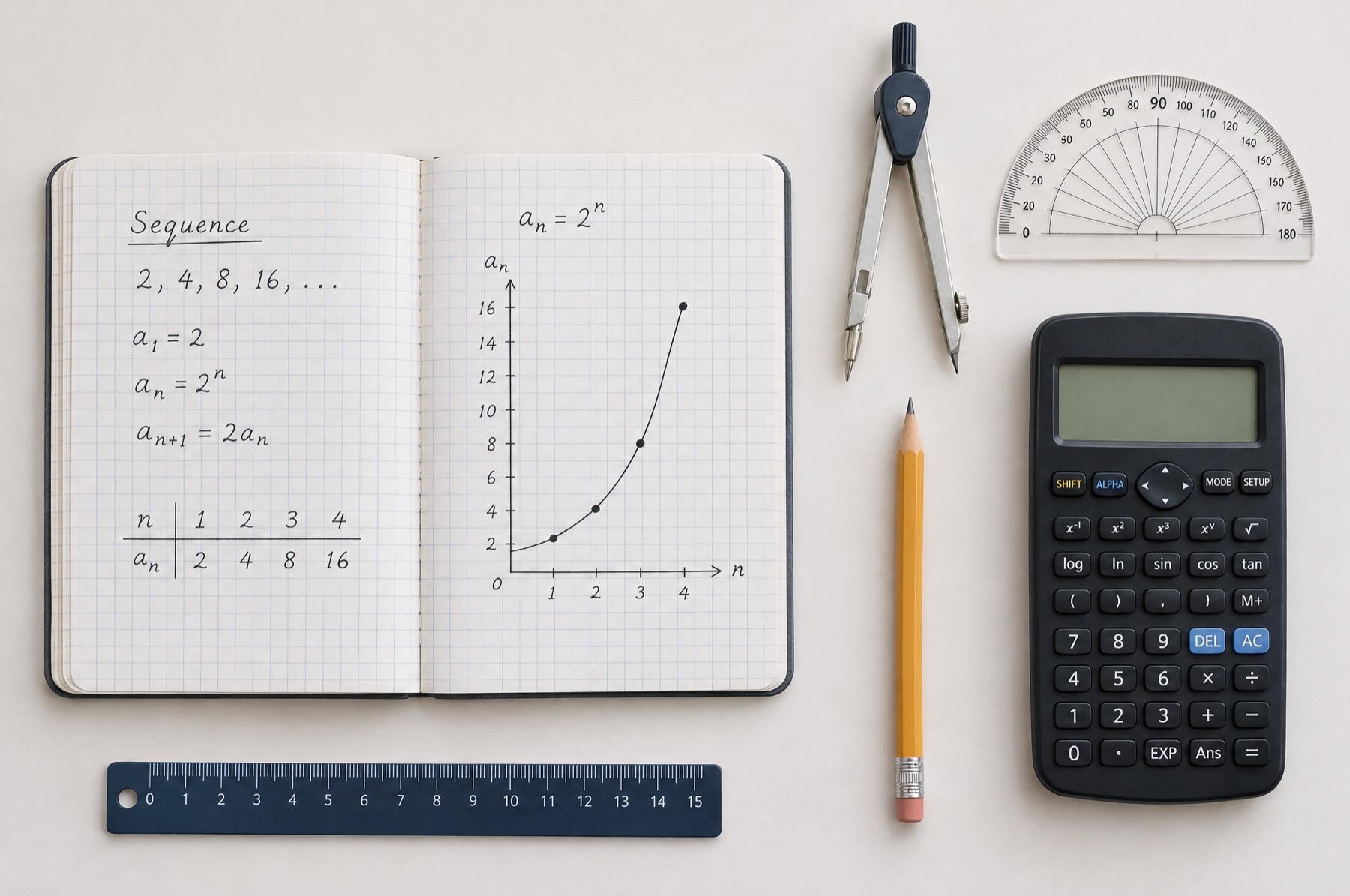
Don’t just do the maths — verify your patterns and explain your steps.
Focus on generalisation (Criterion B) and reflection & justification (Criterion D).
Mathematical thinkers,
not human calculators.
IB prioritises deep conceptual understanding over rote memorisation — exploring the why behind the formulas and bridging abstract theory with real-world application.
IB Maths isn’t easier or harder. It’s thicker.
It trains students to communicate, investigate and apply — exactly what top universities and modern employers look for.
Four-criteria mastery
Most exam boards grade one thing: the right answer. IB splits maths into four pillars — knowing, investigating, communicating and applying.
Digital-first assessment
The MYP eAssessment uses on-screen graphing, simulations and dynamic geometry — the way professionals actually use maths.
Depth over breadth
IB is interdisciplinary, connecting maths to Biology, Economics and TOK — building a flexible brain ready for any career path.
- Focus
- Conceptual & inquiry-based
- Technology
- Fully integrated — GDCs and eAssessments
- Research
- Internal Assessments (DP only)
- Real world
- Central to grading through Criterion D
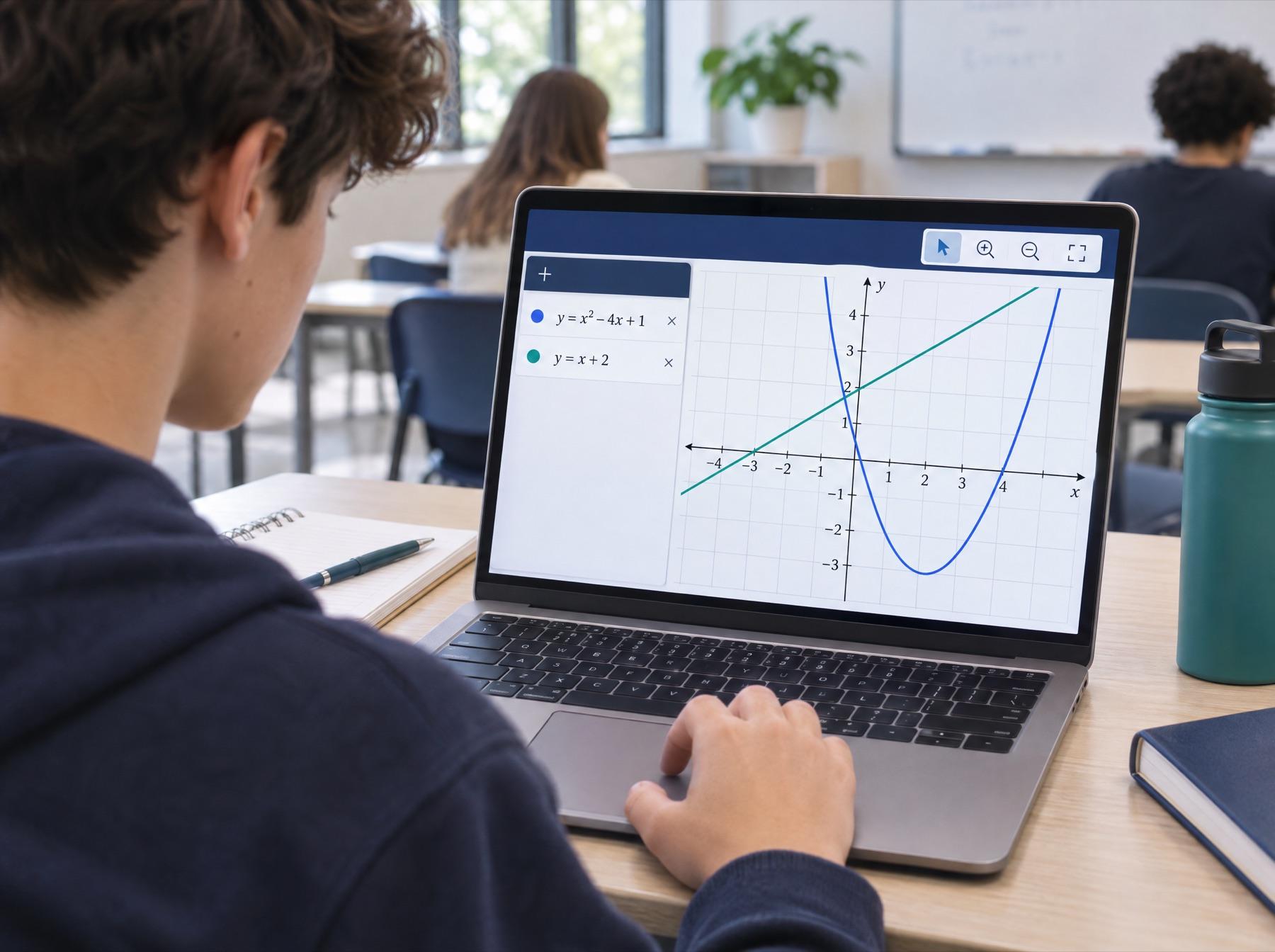
Practice that looks like the exam on screen.
The MYP eAssessment redefines how students show what they know — an interactive platform that mirrors the technology-driven world they navigate every day.
One platform for the whole school community.
A specialised resource built around the four MYP assessment criteria — with something for everyone who supports a student’s maths.
Students
Practice. Learn. Succeed.
Independent mastery across every criterion, with questions shaped like the real eAssessment.


Parents
Support. Guide. Inspire.
The tools to help your child — without needing to be a maths expert yourself.

Teachers
Teach. Share. Empower.
Classroom resources that streamline lesson planning and enhance instruction.
Every unit, MYP 1 to 5.
Structured around inquiry-based units, framed by key concepts and global contexts — following the Oxford MYP Mathematics series used by many IB schools.
Your path to
maths mastery.
Start practising across Criteria A–D with questions built for the MYP eAssessment.